

Sri Lanka has many names that we call it by. The Pearl of the Indian Ocean. The teardrop island. Ceylon. Taprobane. Lately, though, it’s earning a different reputation entirely, one built on mountain air, ancient medicine, and a slower pace of living that visitors keep coming back for.
Wellness tourism in Sri Lanka isn’t new to our people by any means. Ayurveda has been practised here for over 2000 years. What’s changed is how the island packages that heritage. Modern resorts now blend old healing systems with modern medicine, yoga, nutrition, and genuinely restorative landscapes, and the hill country around Bandarawela sits right at the centre of that shift.
This guide walks through what makes Sri Lanka work so well for wellness travel, the different paths you can take once you arrive, and how a stay at Anasa Wellness Resort fits into the bigger picture.
Three things matter in the speaking of why Sri Lanka is a world-class wellness destination. Geography. Heritage. Scale.
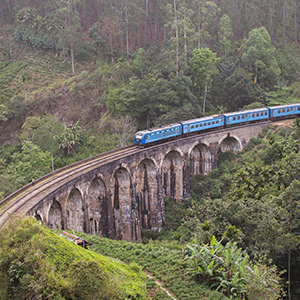
Sri Lanka is small enough that a wellness itinerary in Sri Lanka can cover misty highlands, ancient temples, and quiet coastline without weeks of travel between them.
Then there’s the medical tradition. Ayurveda arrived on the island over two millennia ago, and it never really left. It just sits alongside modern wellness practice rather than being replaced by it. That’s not something that we see in most countries. Most destinations import wellness trends from elsewhere. Sri Lanka grew its own, and you will be able to feel the difference once you’re here.
The island also benefits from sheer variety. Coastal resorts lean into detox and Ayurvedic cleanses. Hill country properties, including Anasa Wellness Resort, lean into altitude, clean air, and a kind of stillness that’s harder to find at sea level. A holistic wellness trip in Sri Lanka can move between both, or settle into one region entirely, depending on what you actually need.
There are plenty of numbers of back this data as well. Global wellness tourism has grown faster than tourism overall for years now, and Sri Lanka has positioned itself deliberately within that growth, building boutique retreats rather than mass-market resorts.
The result is a country that takes wellness travel seriously without losing the personal, local feel that makes it worth visiting in the first place.
Three traditions hold the whole thing together. Ayurveda. Yoga. Mindfulness – and each one approaches healing from a slightly different angle.
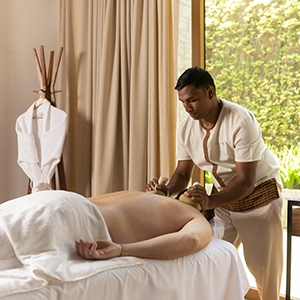
Ayurveda treats the body as a balance of doshas, energies that shift with diet, season, and lifestyle. Treatments here are personalised rather than generic because they are built around oils, herbs, and therapies matched to your specific constitution. It’s less about a single massage and more about a whole system working together over several days.
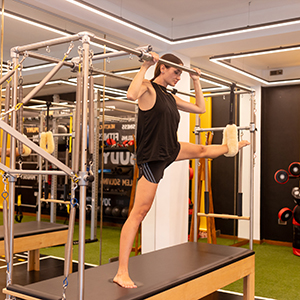
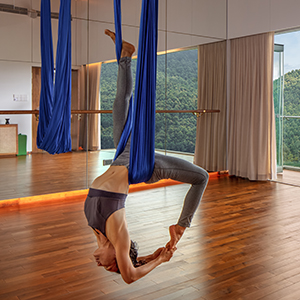
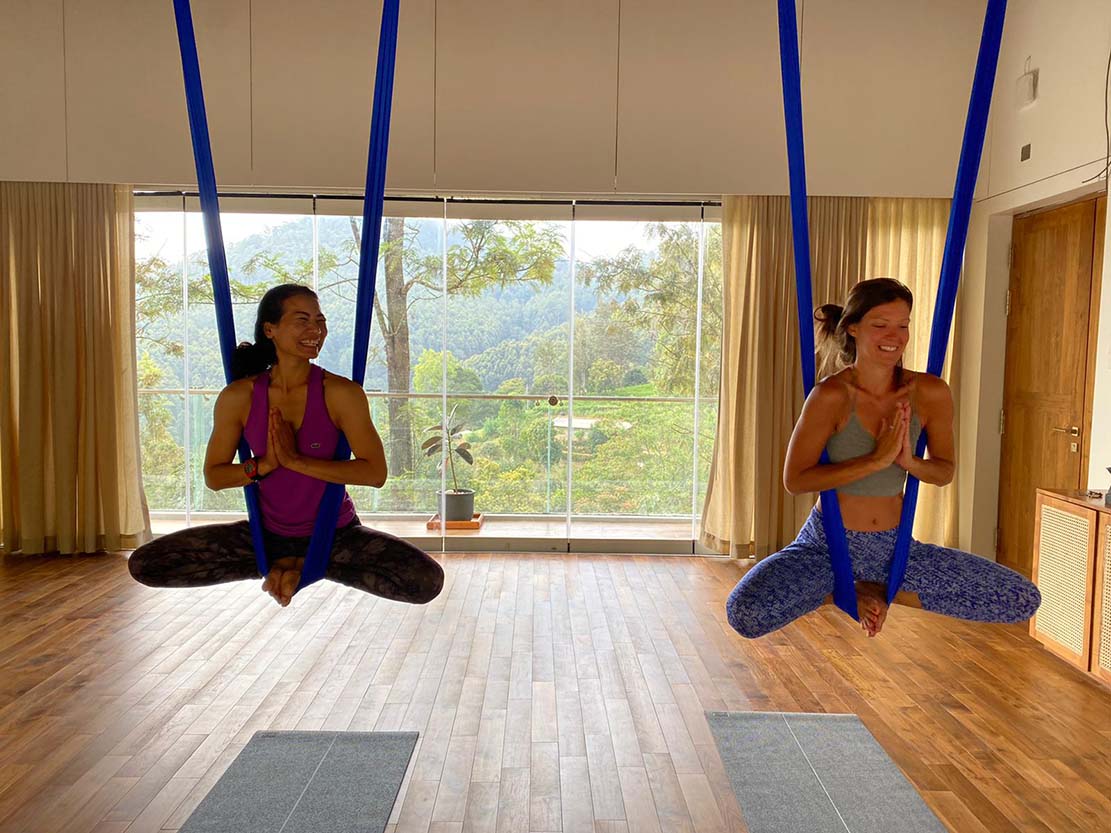
Yoga sits alongside it, though it comes from a separate lineage entirely. At Anasa, the practice spans far more than a single mat session. Sunrise and sunset sessions catch the light moving across the hills. Nidra yoga works toward deep, conscious relaxation, while therapeutic and restorative styles focus on healing rather than performance. There’s even aerial and wall yoga for guests who want something more physical, all guided by international yoga masters inside a pavilion built to hold the practice properly.
Mindfulness ties the other two together. It’s less a technique and more an attitude carried through the whole stay, present in a guided meditation session, sure, but also in a quiet walk through tea gardens or an unhurried meal.
Sri Lankan wellness rarely separates these practices into neat categories. They overlap on purpose. A morning yoga session naturally drifts into a mindful breakfast, which naturally drifts into an Ayurvedic consultation later that day.
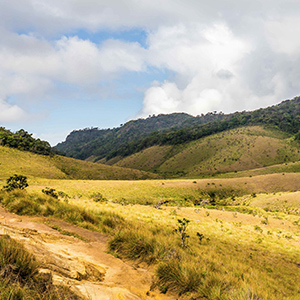
Anasa Wellness Resort sits roughly 1200 metres above sea level on the Dambagolla Estate, in air that’s noticeably cooler and cleaner than the coast. You’ll usually notice it within the first hour, because breathing feels easier here, somehow.
Bandarawela has a reputation that predates wellness tourism entirely. Colonial-era planters considered it one of the healthiest climates anywhere on the island, and that reputation wasn’t built on marketing.
Average temperatures stay between 12°C and 27°C through the year, rainfall is steady rather than tropical-heavy, and the surrounding eucalyptus forest adds a therapeutic quality to the air that’s hard to manufacture artificially.
Light pollution barely exists up here. Anasa sits cocooned by dense forest, far enough from other light sources that the night sky opens up properly, stars and all.
Guests often take slow walks under that sky, or simply sit outside after dinner, and there’s a calming effect to that kind of darkness that’s easy to underestimate until you’ve experienced it.
A mind-body retreat in Sri Lanka works best when the environment does some of the healing on its own. Hill country wellness leans into exactly that practice.
Not every wellness trip should look the same, because not every guest needs the same thing. The first question you need to be asking yourself is: what are you actually trying to fix, calm, or recover?
If physical reset is the goal, a detox programme might suit better, built around cleansing teas, lighter meals, fitness routines, and targeted spa treatments designed to clear the system. Guests managing weight, meanwhile, often lean toward a structured weight balance programme, paired with nutrition planning and consistent movement rather than a single dramatic intervention.
Stress is its own category entirely. A dedicated de-stress programme exists for exactly that, combining spa rituals with breathing work and quieter daily structure. Guests recovering from burnout or simply running on empty tend to respond well here, more than they expect to, often within just a few days.
Then there’s rejuvenation, the broadest of the programmes, mixing in diet, yoga, fitness, and spa work into something closer to a full reset than a single fix. Couples travelling together sometimes shape their stay around shared treatments and joint yoga sessions, a pairing worth reading about separately if that’s the kind of trip you’re planning.
Whatever the entry point, the Sukoon spa sits underneath all of it, the consistent thread running through every programme on offer.
Wellness rarely works in isolation. What you eat and where you eat it both matter, and Anasa treats both as central rather than incidental.
Meals lean toward wholesome, nourishing food with a modern twist at Alwan, while lighter bites and fresh smoothies are available through the Mezze bar for guests who want something simpler between sessions.
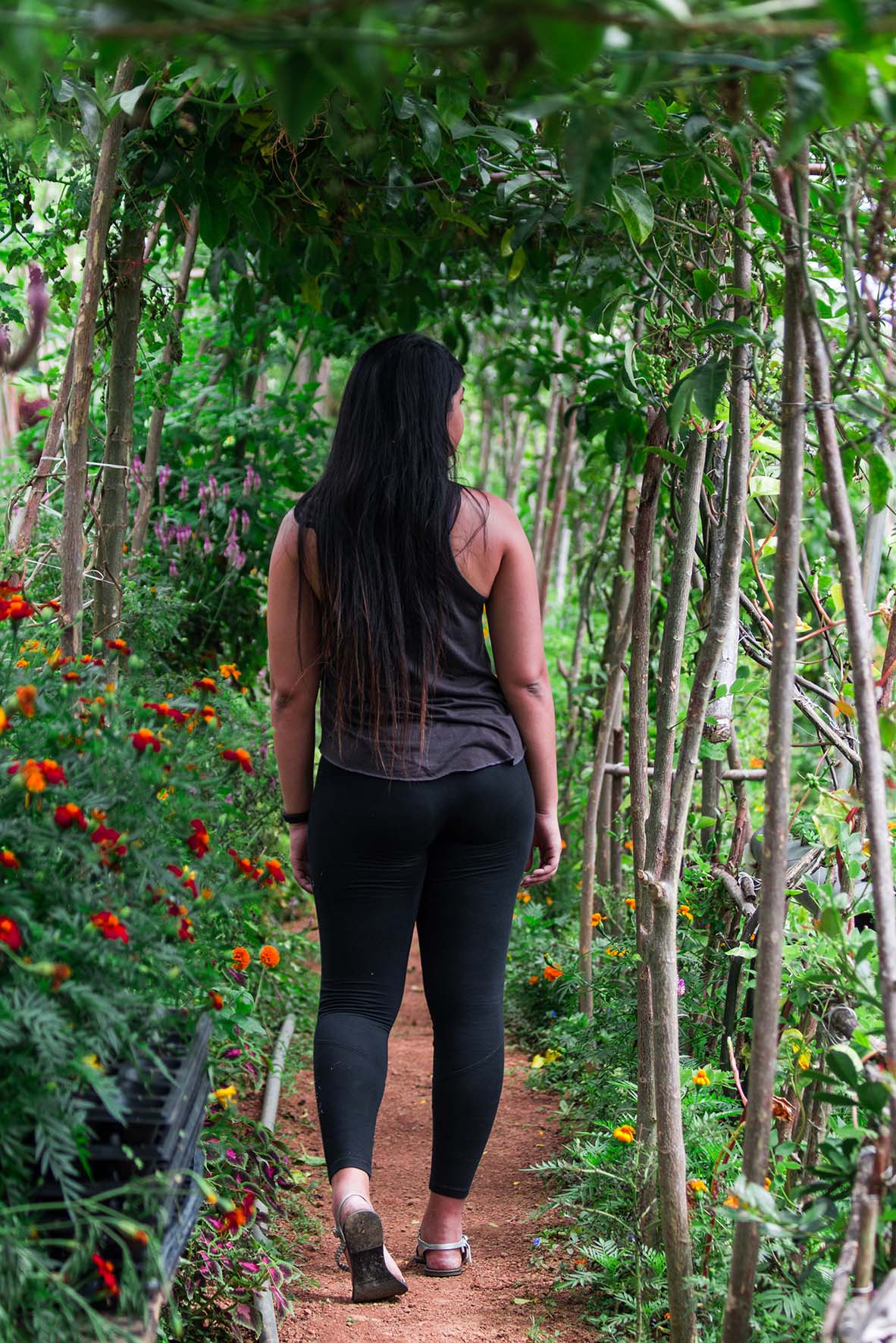
Nature itself plays a role too, not just as scenery but as active therapy. Walking through eucalyptus forest, sitting beside a hydrotherapy pool with mountain views, or simply spending an hour in the gardens all count toward recovery here.
Healing holiday destinations often promise this kind of integration. Sri Lanka’s hill country actually delivers it too, mostly because the landscape was already doing half the work before any resort got built.
Logistics matter quite a lot when you’re planning a wellness experience. Anasa Wellness Resort sits about 194 kilometres from Colombo, roughly 05 hours by road, and around 120 kilometres from Kandy, closer to 04 hours depending on traffic and route.
Most wellness programmes here run across three or seven days, structured deliberately rather than left open-ended. Shorter stays work well for guests easing into the idea of a retreat. Longer ones suit anyone chasing a full reset, particularly for detox or rejuvenation programs where results build gradually rather than all at once.
Booking ahead would be a smarter move to make, especially for guests with a specific programme in mind, since treatments and sessions are scheduled around each individual’s plan rather than offered as walk-up extras.
Sri Lanka earned its place as a wellness destination slowly, built on centuries of Ayurvedic practice and a landscape that genuinely supports recovery rather than just photographing well.
Wellness tourism in Sri Lanka isn’t a trend passing through, but rather a tradition the island has been refining for two thousand years, and the hill country around Bandarawela remains one of the clearest places to experience it properly.
A quick enquiry through our resort’s contact page or reservations line is usually enough to map out the right length of stay and the right combination of programmes before you even arrive.
1. What is wellness tourism and why is Sri Lanka popular for it?
Wellness tourism means travelling specifically to improve physical or mental health, through spa treatments, yoga, nutrition, or traditional medicine. Sri Lanka stands out because Ayurveda has been practised here for over two thousand years, and that heritage sits alongside modern spa science rather than replacing it.
2. What types of wellness retreats are available in Sri Lanka?
Options range from coastal Ayurvedic detox centres to hill country resorts focused on altitude, clean air, and yoga. Anasa Wellness Resort alone offers detox, weight balance, de-stress, rejuvenation, and diabetes-focused programs, each combining nutrition, fitness, yoga, and spa treatments differently.
3. Is the hill country better for wellness than the coast?
Better depends on the goal, honestly. Hill country properties like Anasa offer cooler air, higher elevation, and quieter surroundings well suited to deep rest and recovery, while coastal resorts often focus more heavily on Ayurvedic cleanses and beach-based relaxation.
4. How long should a wellness trip to Sri Lanka be?
Most structured programs run three or seven days. Three days suits guests wanting a shorter reset or a first introduction to retreat-style travel, while seven days gives detox and rejuvenation programs enough time to show real, lasting results.
5. Do I need prior experience with yoga or meditation?
No. Programs are designed for complete beginners as well as experienced practitioners, with international yoga masters adjusting sessions to suit whoever’s in the room that day.

In this day and age, when busyness is the norm and people rarely have time to even take a moment to rest and relax, wellness becomes a very important concept...
Read More
Sri Lanka is a charming little island, plenty of remarkable attractions and appeals. The Hill Country of Sri Lanka is rich with many delightful places to see...
Read More