

You smell it before you see it. A grassy, slightly sweet smell. Nothing like the tea in your cupboard at home. Most guests at Anasa Wellness Resort end up booking a ceylon tea estate tour within a day or two of arriving, and it really doesn’t take much convincing once that smell hits.
This guide covers what you’ll actually want to know before going. How the factories work. Where to head. What a tasting really involves, and how to fit a tea day into a slower stay at Anasa.
Before we learn about the tea tours in Sri Lanka, let’s learn about the history of how Ceylon became Asia’s tea country.
Tea wasn’t the original plan here. Coffee was. A leaf blight wiped most of it out in the 1870s and 80s, and planters switched to tea almost out of necessity, only to find the hills suited it even better than coffee.
Sri Lanka now grows around a tenth of the world’s tea. Uva province is one of 07 recognised growing zones. Ella and Bandarawela both sit inside it, and each zone produces a noticeably different cup depending on its soil, rainfall, and height above sea level.
The altitude is what makes growing tea so easy in the hill country of Sri Lanka. Anasa Wellness Resort sits roughly 1200 metres above sea level. The soil here is red-yellow podzolic, just acidic enough for tea bushes to thrive, and the air stays cool with steady rainfall of 1100 to 1400mm a year and temperatures rarely above 27°C.
If touring a tea plantation in Sri Lanka is on your list of things to do in the country, this is the place. Gardens, factories, and trails – all close enough that you won’t lose half a day just driving between them.
A tea factory tour in Ella isn’t a staged process. It’s not a tourist attraction but rather a daily activity that happens throughout the year. The machines run whether tourists show up or not. That’s really what makes it worth seeing, because this process is not performed for your benefit.
The process of turning a tea leaf into your favourite cup of tea hasn’t changed much in over a century:
– Plucking – workers take only the bud and the top two leaves from each shoot, by hand, every few days.
– Withering – the fresh leaf is laid out to lose moisture and go soft.
– Rolling – machines break down the leaf to release its natural enzymes.
– Fermentation – the rolled leaf oxidises and turns from green to a coppery brown.
– Drying – heat halts the oxidation and sets the final colour and aroma.
– Grading – the dried leaf is sorted, from whole-leaf orange pekoe down to the smaller broken grades used in everyday tea bags.
If you hire a tour guide to give you the full experience, they will walk you through each room in order. The machinery never really stops. Most tours run 45 minutes to two hours, and nearly all of them end on a rooftop or viewing deck, fresh cup in hand, tea fields running off toward the horizon.

One name comes up more than any other here. Halpe tea. The Uva Halpewatte Tea Factory has been running since 1940, and it’s now the largest tea producer in the Uva region, sitting at about 1230 metres on the road between Ella and Bandarawela.
The estate started out quite small. They produced approximately 20,000 kilogrammes a month. Now it processes closer to 150,000, with hundreds of workers and a steady line of lorries collecting leaf every single day.
There are two ways to visit. A shorter plantation walk and factory tour, ending in a tasting. Or a longer one, where you pluck your own leaf, blend your own tea, and watch it processed before taking it home.
You can choose which tour you would like to experience based on your schedule, the time you have allocated to the tour and your interest in the tea making process.
It’s worth wandering past Halpe too. Lipton’s Seat is close by, which is a hilltop seat overlooking the greenery of the tea plantations below. Sir Thomas Lipton supposedly sat there looking out over his Poonagala estate, and the view still gives you a proper sense of scale, the tea just goes on and on until it meets the sky.
Smaller, family-run estates sit along the Bandarawela-Haputale road. Quieter places. Less chaotic than the popular hotspots. Often the tastings there feel more like a conversation with a friend rather than a specified tour of the process.
Tea tasting isn’t an activity with a million rules to follow, but knowing about the basic etiquette and the ins-and-outs will definitely come in handy. Hold the cup to the light first, because a good Ceylon black tea should look clear and bright, almost coppery-red.
– If the tea is cloudy, that’s not the best quality tea around. It’s either lower quality. Or over-brewed. There’s an easy way to tell the difference once you’ve tasted a properly brewed cup.
– Smell it before you drink. High-grown teas often carry floral or citrus notes. Lower-elevation teas lean malty and stronger, and the gap between the two becomes obvious the moment you compare them side by side.
– Tasters slurp rather than sip. It pulls the tea quickly across the tongue. Looks a bit silly the first time, but it genuinely changes how much flavour you actually pick up.
– Pay attention to the finish too. The aftertaste of the tea should be brisk. Slightly dry, without tipping into bitterness, and that balance is really what separates a good Ceylon tea from an average one.
One thing worth remembering for when you’re making your own cup of tea: real Ceylon tea is brewed three to five minutes in water just off the boil, milk goes in after brewing rather than before, and it’s typically never reheated.
These tea estates aren’t only for tours. A lot of these gardens double as walking country too. Some of the nicest in Sri Lanka, in fact, and there’s something quietly calming about wandering between waist-high bushes with nowhere in particular to be.
Mornings are undoubtedly the best time for a refreshing walk. The mist sits low over the valleys. The air hasn’t warmed up yet, and you’ll likely pass pickers working in small groups, baskets strapped to their backs, calling out to each other across the slopes.
Late afternoon brings softer light. Good for photographs. Worth timing your walk around if that’s what you’re after.
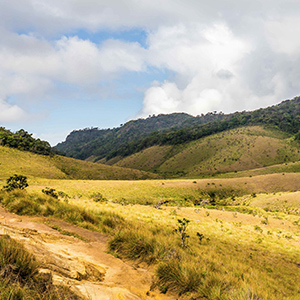
Several trails connect naturally with nearby landmarks. One near Halpe leads close to the old Halpe Temple, while routes further out toward Lipton’s Seat or the edge of Horton Plains National Park mix tea country with forest and open grassland.
Tea and wellness have always made sense together. It’s not just an old-lived tradition, though. Fresh Ceylon tea, the lighter green and white varieties especially, carries a good amount of polyphenols and antioxidants, compounds that research links to supporting heart health and managing everyday oxidative stress.
Black tea holds onto plenty of the same compounds too. With a gentler caffeine hit than coffee, it is something that makes an afternoon cup feel less like a jolt and more like a settling-in. You could think of it as your daily dose of gentle caffeine.
Then there’s the act of making the tea itself. Stopping to brew. Waiting for the tea to steep, then actually sipping it slowly, which is rare enough these days that it forces a kind of pause that’s hard to manufacture any other way.
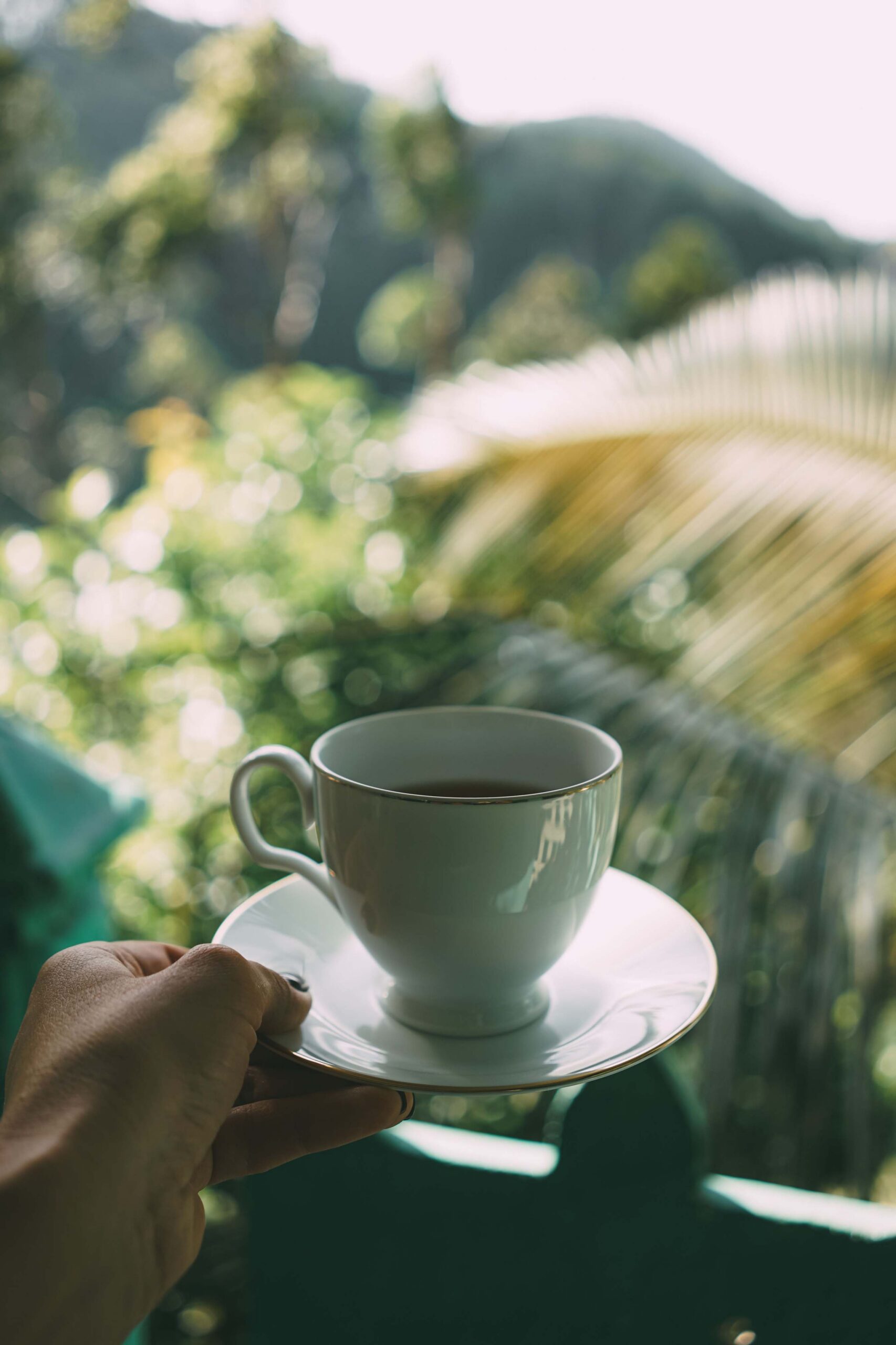
Anasa Wellness Resort sits on the hills of Dambagolla Estate. That’s about 08 kilometres from Bandarawela town. It’s located right on the edge of Ella, which puts most of the region’s tea estates within easy reach for a half or full day out.
At roughly 1200 metres up, you step outside into the same cool air the tea bushes grow in. The moment you leave your room. It’s one of those small details that makes the whole stay feel connected to the landscape around it.
A good day usually starts early. Factory tour, then a tasting, before the sun gets too strong. After that, a walk through the gardens or a stop at a viewpoint like Lipton’s Seat fills out the rest of the morning nicely.
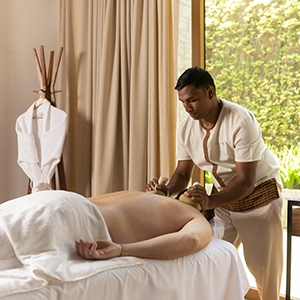
Many guests head back to Anasa in the afternoon. For a spa treatment. Or just a quiet hour in the gardens, letting the morning settle in along with the lingering taste of fresh tea.
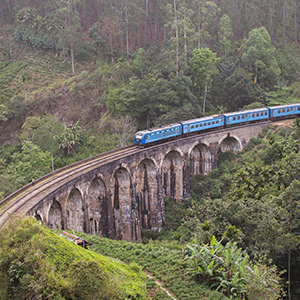
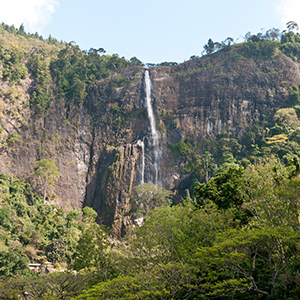
Nine Arch Bridge, Diyaluma Waterfall, and Horton Plains National Park are all close enough to fold into the same loop. Worth planning around, if you have the time to explore.
Whether this is your first ceylon tea estate tour or your fifth, the hill country around Ella and Bandarawela rewards a slow visit more than a rushed one. Walk the gardens. Watch the leaf go from green to copper. Taste it while it’s still warm off the dryer, then come back to Anasa and let the whole day settle properly into rest.
Reach out to our team to learn more about how we can help you plan your tea estate tour in Sri Lanka. We look forward to welcoming you here!
– What is Halpe tea and where is it from?
Halpe tea comes from the Uva Halpewatte Tea Factory. Running since 1940. Sitting around 1,230 metres above sea level, a short drive from Ella and Bandarawela, it’s the largest tea producer in the Uva region and one of the most visited estates in the hill country.
– Can you tour a tea factory near Ella or Bandarawela?
Yes. Several working factories run guided tours in the area. Halpe tea’s Uva Halpewatte factory among them, covering the full production process from plucking to grading and usually ending with a tasting.
– How long does a tea estate experience take?
A standard tour and tasting usually takes 45 minutes to two hours. The fuller experiences, where you pluck and blend your own tea, run closer to two or three hours.
– Is tea tasting included on estate tours?
Most tours end with a tasting as standard. Often with a view over the tea fields. Some estates also offer tastings on their own, without the full factory walk-through attached.
– What is the best time of day to visit a tea plantation?
Morning, generally. Tours run more reliably earlier in the day, the air is cooler for walking, and the mist over the valleys makes for noticeably better photographs.
– How far are the tea estates from Anasa Wellness Resort?
Anasa sits on the Dambagolla Estate. About eight kilometres from Bandarawela town. Right on the edge of Ella, which puts most of the region’s tea factories and trails a short, scenic drive away.

Ella is one of the most beautiful travel destinations in the paradise island of Sri Lanka. If you are planning to explore this little town in Hill Country of Sri Lanka...
Read More
Sri Lanka is a wonderful little island with tonnes of remarkable attractions and appeals. It is known to be one of the best travel destinations in the world...
Read More