

Recovering from an injury is rarely just about physical pain. It affects movement. Confidence. Routine. Emotional balance. Many people believe resting alone is enough. But rest without guidance? That can delay healing.
Physiotherapy recovery focuses on active, structured healing. It supports the body after injury in safe, effective ways. Different types of therapy help in different ways.
Here are some of them in a nutshell:
– Post-injury therapy helps tissues heal while restoring proper movement.
– Rehab physiotherapy reduces stiffness, weakness, and long-term limitations.
– Targeted physiotherapy techniques improve circulation and reduce inflammation.
– Mobility restoration becomes possible through guided, progressive movement.
– Therapeutic exercises retrain muscles to move correctly again.
Injury rehabilitation also prevents future strain and recurring pain. It accelerates recovery while protecting vulnerable areas. Recovery acceleration happens when movement is introduced at the right time.
Physiotherapy recovery supports both physical and mental healing. Fear of movement often slows post-injury progress. Rehabilitation rebuilds confidence, strength, and body awareness.
At Anasa Wellness Resort, recovery happens in a supportive environment. Keep reading to find out how.
Physiotherapy is a science-based approach to physical healing.
It helps you move better and reduces pain by using exercise, hands-on care, and education. It is used to treat injuries, illnesses, and disabilities. It also helps restore or improve your body’s function and mobility.
It focuses on physical rehabilitation, preventing injury, and promoting overall fitness. It also helps with issues from back pain and post-surgery recovery to neurological conditions like stroke or Parkinson’s.
Physiotherapy techniques include manual therapy and guided exercises. These help rebuild strength and coordination. Pain management with physiotherapy reduces reliance on medication. And this happens through controlled, progressive movement.
The benefits of physical therapy extend beyond injury recovery. It improves balance, flexibility, and long-term physical resilience.
Physiotherapy is essential after an injury for many reasons. Mainly because it ensures you heal correctly, rather than just resting and hoping for the best.
It helps you return to normal activity safely. It also prevents long-term problems.
Here is why it is necessary:
– Faster and Better Recovery: It reduces pain and swelling. This allows you to regain strength and flexibility faster than resting alone.
– Restores Movement: It helps get rid of stiffness, letting you move properly again.
– Prevents Re-Injury: It strengthens weak muscles and improves balance. This reduces the chance of hurting the same spot again.
– Avoids Long-Term Pain: It fixes, rather than just masks, the issue. This helps prevent chronic, long-term pain.
– Avoids Unnecessary Surgery: In many cases, it can help you heal without needing surgery.
Physiotherapy recovery follows a clear, structured process. Here’s how:
– You will discuss your medical history, pain levels, and goals with the physiotherapist.
– The therapist will test your movement, strength, and posture to find the root cause of your issue.
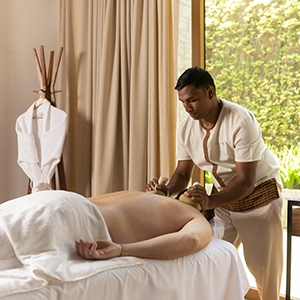
– You may receive hands-on therapy to begin pain relief immediately.
– A customised post-injury therapy plan is created for you.
– Rehab physiotherapy focuses on short- and long-term recovery goals.
– Physiotherapy techniques are selected based on injury type and recovery period.
– Early Phase (Acute): Focuses on reducing inflammation, swelling, and pain.
– Middle Phase (Rehabilitation): Focuses on restoring range of motion and improving strength.
– Final Phase (Strengthening): Focuses on returning to full activity, sports, or work. This also includes preventing future injuries.
– Duration: Results vary. Simple injuries may take a few weeks. Chronic issues or surgeries may require several months of consistent treatment.
Physiotherapy techniques are chosen to support natural healing.
– Hands-on techniques reduce stiffness and muscle tension
– Improves circulation and joint movement
– Build strength, balance, and coordination
– Support long-term physiotherapy recovery
– Supports pain management with physiotherapy
– Reduces joint pressure while improving mobility restoration
– Prepares the body for daily movements
– Supports injury rehabilitation and independence
Pain is common after injury, but it should not control recovery.
So how does physiotherapy help manage pain?
– Reduces inflammation through controlled movement
– Improves blood flow and tissue healing
– Addresses the cause of pain, not only symptoms
– Encourages movement without fear
– Reduces dependence on pain medication
– Supports recovery acceleration naturally
– Pain management with physiotherapy allows safer, long-term healing.
Read more about our Personalised Healing Programmes at Anasa here!
After an injury, movement often feels difficult and unfamiliar. Simple actions like walking, bending, or lifting? These become herculean tasks.
Physiotherapy recovery focuses on bringing back natural movement. It helps the body relearn how to move safely again. But it’s easier said than done.
Mobility restoration is one of the main goals of injury rehabilitation. Stiff joints and tight muscles slowly become more flexible. Proper techniques increase the range of motion over time. This makes daily activities much easier. It also helps with pain management.
Strength is rebuilt step by step through rehab physiotherapy. Injuries often cause muscle weakness and imbalance. Therapeutic exercises help reactivate muscles that stopped working properly. As strength improves, the body becomes more stable.
Pain management with physiotherapy plays a key role in this process. Reduced pain allows better movement. This also results in faster progress. Post-injury therapy encourages movement without forcing the body.
Our internal mentality is just as important as physical healing. Many people fear re-injury after pain or trauma. Physiotherapy recovery rebuilds trust in the body. And guided exercises show what the body can safely handle.
With consistent injury rehabilitation, movements start being natural again. Your balance improves. Posture becomes stronger. Coordination returns. The benefits of physical therapy extend beyond recovery. They support independence and long-term wellbeing too.
Healing happens faster in the right environment. A wellness retreat supports both body and mind during recovery. Physiotherapy recovery improves when stress levels are low.
At a wellness retreat like Anasa, the body is free from daily pressure. There is time to rest, move, and heal properly. Post-injury therapy is much more effective in calm surroundings.
Access to supportive activities helps with injury rehabilitation. This means activities such as;
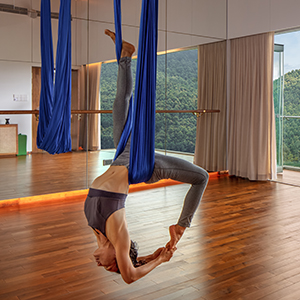
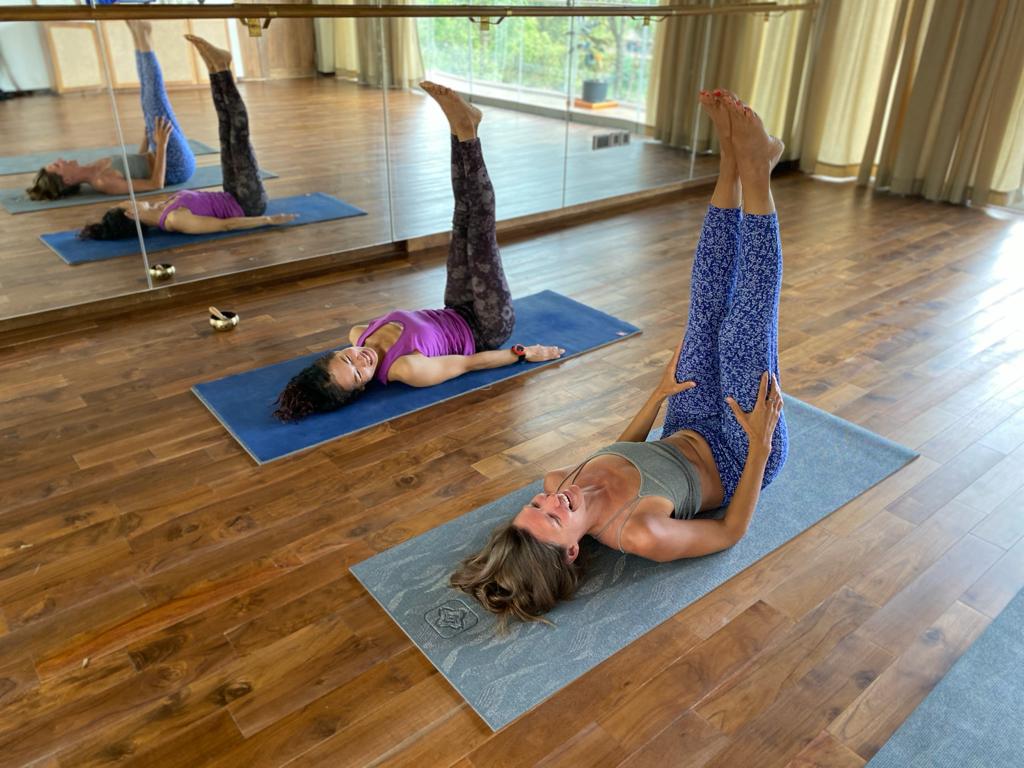
– Gentle yoga: To improve flexibility and body awareness.
– Aqua fitness: Supports mobility restoration with less joint strain.
– Functional training: Complements rehab physiotherapy naturally.
Pain management with physiotherapy works better with proper rest. Sleep, relaxation, and nutrition support tissue repair. Customised meal plans provide nutrients needed for healing.
Nature also plays an important role in recovery acceleration. Fresh air and open spaces reduce mental stress. This helps the nervous system relax and respond better to treatment.
A wellness retreat helps you with all these. You are provided meals, proper care and consultation. You are allowed to rest and heal in peace. Light walks, stretching, and mindful activity is all you need to do. Recovery feels less stressful.

At Anasa Wellness Resort, healing is made simple. Also, stress free. Everything around you is designed to support physiotherapy recovery. Guests are not required to manage schedules, meals, or routines. They can focus fully on post-injury therapy and rest.
Our resort provides a calm and supportive environment for injury rehabilitation. Wellness programmes are carefully structured to accelerate your healing. From fitness to yoga, every activity supports safe movement.
Sukoon by Anasa offers spaces ideal for pain management with physiotherapy. Hydrotherapy rooms help reduce joint stress and muscle tension. Vichy showers support circulation and relaxation after therapy sessions.
Movement options are adapted to individual recovery needs. Rehab physiotherapy is complemented by gentle fitness and functional training. Aqua fitness supports mobility restoration with minimal impact. Therapeutic yoga improves flexibility, balance, and body awareness.
Nutrition is fully taken care of at Anasa. Customised meal plans support tissue repair and energy levels. Guests do not need to plan or worry about food choices at any time.
Comfortable accommodation supports deep rest and uninterrupted sleep. Private chalets provide quiet spaces for recovery and relaxation. Nature views and fresh air support emotional healing.
At Anasa, all the details are handled for you. Daily routines, wellness spaces, and supportive care. Guests only need to focus on healing, movement, and getting stronger again.
Read more about all the wellness resort packages that we offer here!
Recovery does not end with therapy sessions alone. Daily lifestyle choices strongly affect physiotherapy recovery. Simple habits can support faster healing too.
– Rest is essential during post-injury therapy. Quality sleep allows muscles and tissues to repair. A calm routine helps the body recover more effectively.
– Nutrition plays a major role in injury rehabilitation. Balanced meals support strength, energy, and tissue healing. Hydration helps reduce stiffness and supports circulation.
– Gentle movement is encouraged during rehab physiotherapy. Light walking, stretching, and swimming support mobility restoration. These activities keep the body active without overloading it.
– Stress management supports pain management with physiotherapy. High stress can increase muscle tension and slow healing. Breathing exercises. Relaxation. Mindfulness.
– Consistency matters more than intensity during healing. Physiotherapy techniques work best with regular practice.
A supportive lifestyle helps recovery feel balanced and sustainable.
Physiotherapy recovery supports many different individuals. It is not limited to athletes or severe injuries.
Here is a list of individuals, not limited to, who would benefit from physiotherapy.
– People recovering from injuries benefit greatly from post-injury therapy. This includes sprains, fractures, and muscle tears.
– Rehab physiotherapy is helpful after surgery. It supports strength, movement, and safe healing.
– Those living with long-term pain benefit from injury rehabilitation. Physiotherapy techniques address stiffness, weakness, and poor movement habits.
– Mobility restoration supports people with limited movement. This includes joint pain, back pain, and posture issues.
– Older adults benefit from improved balance and strength. The benefits of physical therapy support independence and confidence.
– Anyone seeking natural pain relief can benefit. Pain management with physiotherapy reduces reliance on medication.
Physiotherapy recovery supports long-term movement and wellbeing for all ages.
– How soon can I start physiotherapy after an injury?
In most cases, the sooner, the better. Early intervention helps manage inflammation and prevents joint stiffness. At Anasa, you begin with a medical consultation with their wellness team to determine the exact moment your body is ready for gentle movement.
– Will I have to do painful exercises?
No. While some discomfort is normal when waking up dormant muscles, the goal is “therapeutic challenge,” not pain. Anasa’s approach is gentle and restorative, often using restorative yoga and guided movements that respect your pain threshold.
– What is the benefit of doing physiotherapy at a resort like Anasa?
The “Anasa difference” is the stress-free environment. High cortisol (stress) levels slow down physical healing. By combining physiotherapy with the resort’s eucalyptus-scented air, organic nutrition, and luxury spa treatments, your body stays in a “parasympathetic state” which is the optimal state for repair.
– Can physiotherapy help me avoid surgery?
Often, yes. Many musculoskeletal injuries, like certain back pains or ligament strains, can be resolved by strengthening the surrounding muscles to support the joint. A dedicated recovery programme can build enough stability to make surgery unnecessary.
– Do I need a doctor’s referral to start?
While not always mandatory, it is helpful. Anasa features an in-house Medical Director who reviews your history and tailors a specific “Wellness Immersion” programme for you, ensuring your physiotherapy is safe and medically sound.
Healing after an injury takes time, patience, and care. There is no need to rush the recovery process. True physiotherapy recovery focuses on long-term wellbeing. Rather than trying to heal as fast as possible.
Post-injury therapy supports healing in a safe and guided way. It helps the body regain strength. It also helps with mobility and balance. Rehab physiotherapy prevents future injuries and ongoing pain.
Pain management with physiotherapy allows natural healing to take place. Movement becomes easier as discomfort slowly reduces. Mobility restoration helps daily activities feel easier again.
At Anasa Wellness Resort, healing becomes a complete experience. Every detail supports injury rehabilitation and emotional wellbeing. Guests are free from daily stress and distractions.
And with expert care, calm surroundings, and structured support? Your recovery will be better than ever. Plus, the benefits of physical therapy extend beyond the stay. Healing continues long after the injury has passed.
If you’re interested in engaging in physiotherapy at a wellness resort, reach out to us. Contact our team for more information – we warmly welcome you to your healing journey!

Sri Lanka is a beautiful little island with hidden pockets of adventure everywhere you go. The Hill Country of Sri Lanka especially is resplendent with glistening waterfalls...
Read More
Tea is one of the most popular beverages ever. Tea is a healthy beverage offering a number of great benefits to drinkers. Assisting in the prevention of certain types of cancer...
Read More