

It’s the story of one of the most talked-about love stories in the country. It’s none other than that of Rama and Sita. Read along to find out about the Ramayana trail guide in Sri Lanka, the places you must visit, and many other travel tips as well, through this blog by Anasa Wellness Resort, Bandarawela.
***
The Ramayana, one of the oldest epics in human history, didn’t just happen here. According to the mighty legends of Thambapanni, it breathed here, bled here, and left traces so deep that the land itself remembers.
More than 50 sites across this island are linked to the great saga. And the densest, most dramatic cluster of them lies right here in the hill country. Easily within reach of Ella and Bandarawela.
This is our complete guide to the Ramayana Trail in Sri Lanka.
The Ramayana was composed by the sage Valmiki thousands of years ago. It tells the story of Lord Rama & his wife Sita, and his devoted brother Lakshmana. Rama was the seventh avatar of Vishnu.
The summary of the story? Abduction and war.
Ravana is the ten-headed demon king of Lanka. He steals Sita and carries her across the sea to his island kingdom. Rama, with the help of the monkey god Hanuman, builds a bridge across the ocean. He wages a battle to bring her home.
Thambapanni – widely identified with modern-day Sri Lanka – is not merely a backdrop. It is Ravana’s kingdom. Described in the texts as a place of breathtaking beauty and advanced civilisation. Palaces of gold. Skies crossed by the Pushpaka Vimanam – Ravana’s mythical flying chariot.
But here’s what makes Sri Lanka different from anywhere else on this trail.
In Sri Lankan tradition, Ravana is celebrated as a powerful monarch. He’s a ruler of the pre-Vijayan era. His legacy is deeply woven into the fabric of this island. He is revered as a master of Ayurveda. A fierce devotee of Lord Shiva. One of the greatest kings this land has ever known.
This dual narrative – villain in the Indian tradition, hero in the Lankan one – gives the Ramayana Trail here a richness unlike anywhere else in Asia. You are not simply following a myth. You are walking through a living conversation between two cultures, held across millennia.
The full trail spans the entire island. From the chain of limestone shoals known as Adam’s Bridge – stretching approximately 48 kilometres between Sri Lanka and India – believed to be the bridge Rama’s army built to cross into Lanka.
But the heart of the trail lives in the cool highlands of Uva and Central Province. Within reach of Ella and Bandarawela.
The unmissable hill country sites:
– Ravana Ella Cave & Falls
– Sita Amman Kovil
– Hakgala Botanical Gardens (Ashoka Vatika)
– Divurumpola Temple
– Sri Bhaktha Hanuman Temple
All of these can be visited over two to three days. With the right base – say, a wellness resort in Bandarawela – you won’t miss a single one.
Ravana Ella Cave is a network of caves and tunnels. It’s located in the Ravana Ella Wildlife Sanctuary near Ella. Local legend says Ravana used these as a quick means of transport through the hill country, and may have hidden Sita here initially after her abduction.
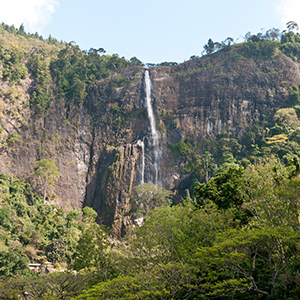
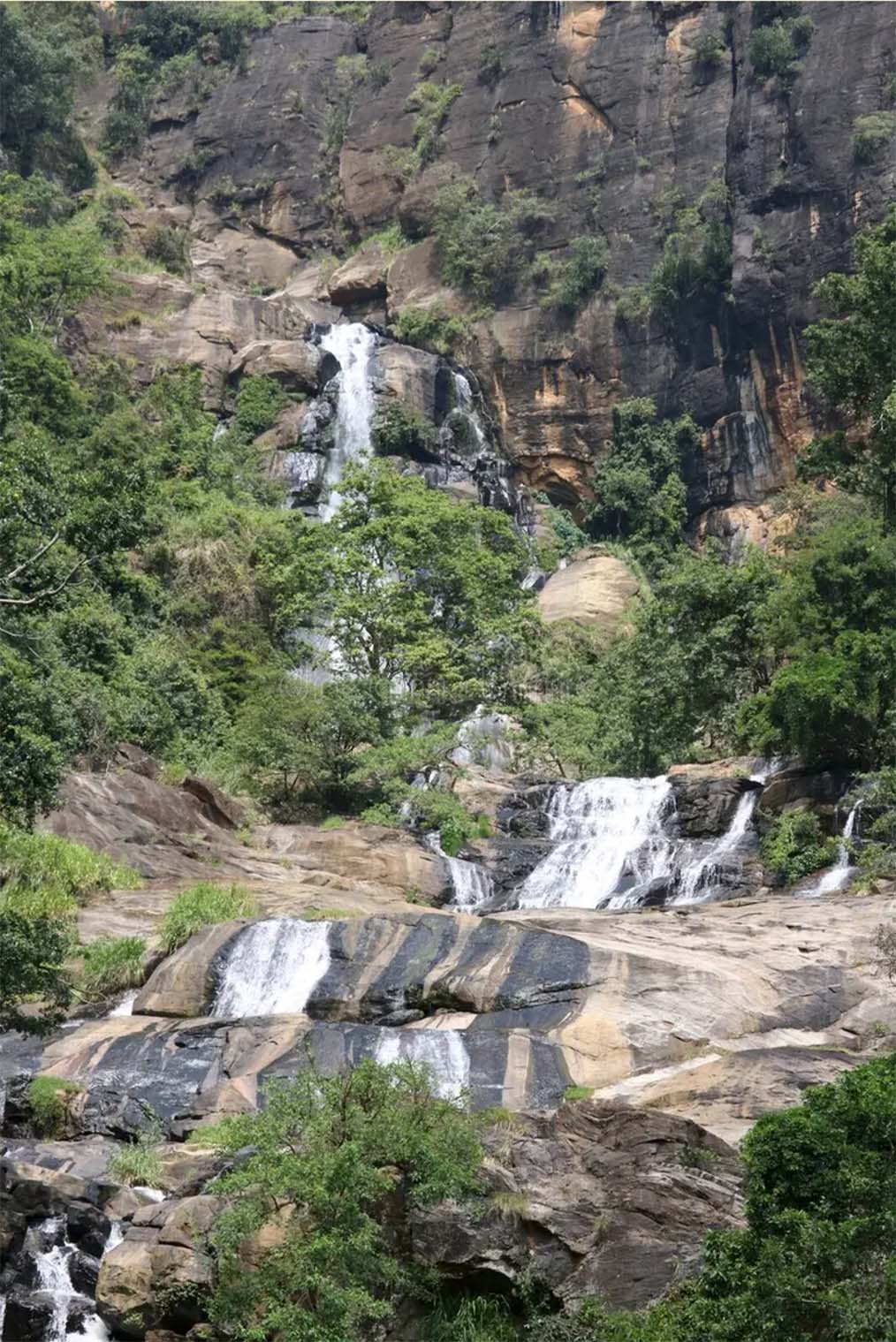
The cave sits about 5km from Ravana Falls, which is Sri Lanka’s widest waterfall at around 25m across, most spectacular between June and November.
Legend says Sita bathed in the rock pools at the base of these falls. Standing here, that feels entirely believable. The climb to the cave is steep and rocky. Go in the morning before the heat builds. And hire a local guide because the folklore is half the experience.
In between Nuwara Eliya & Hakgala you’ll pass through a village called Seetha Eliya. This is where your next stop will be.
Sita Amman Kovil is the only Hindu temple in Sri Lanka dedicated to Sita. And it is one of the most emotionally powerful places on the island.
According to the Ramayana, this is where Sita prayed daily for Lord Rama while being held captive. The spot is marked by a stream with rocks carrying mysterious footprint-like depressions. These are believed to be Sita’s own footprints.
The Sita Eliya stream still runs here today – the very water where Sita is said to have bathed. The energy is peaceful, spiritual, and for many visitors, unexpectedly emotional.
The temple itself is vivid and alive. Come early in the morning or late afternoon for the quietest experience. Dress modestly. Shoulders and knees covered. Shoes off at the entrance. This is an active place of worship – approach it accordingly.
If Sita Amman Kovil represents Sita’s suffering, the Ashoka Vatika represents something more complicated.
Ravana’s longing.
In the Ramayana, after Sita refused to stay in his palace, Ravana placed her in the Ashoka Vatika. This is a spectacular pleasure garden of flowering trees, fountains, and beauty beyond what words and humans can ever describe. He hoped her heart would soften. It never did. But the garden remains one of the epic’s most haunting images.
Today, Hakgala Botanical Gardens near Nuwara Eliya is widely identified as the site of Ashoka Vatika. Hakgala sits at around 1745m above sea level. It’s one of the highest botanical gardens in the country. Some link it to Ravana’s kingdom. Either way, the two feel compatible. This is exactly the kind of garden a king obsessed with beauty might have built.
The Hakgala Ella Falls sit just a short walk from the garden boundaries.
The hill country sites aren’t scattered. They form a natural loop – geographic, mythological, and experiential all at once. Three days is enough to do them justice.
Day 1: Ella & Ravana
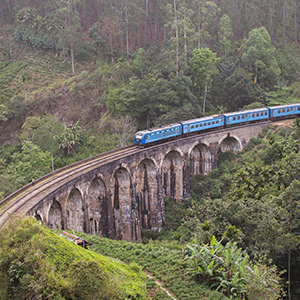
Morning at Ravana Ella Falls and the cave. Afternoon in Ella town where you can see the Nine Arch Bridge. You can take a walk up Little Adam’s Peak too. Return to base by evening.
Day 2: Seetha Eliya & Nuwara Eliya
Drive up to Sita Amman Kovil via the Bandarawela-Nuwara Eliya road. It takes about 90 minutes and the drive itself is worth it. There’s tea estates rolling into mist, waterfalls appearing from nowhere, small villages where woodsmoke and cinnamon drift from every kitchen. Late morning at Hakgala.
Afternoon’s can be spent in Nuwara Eliya, Sri Lanka’s “Lil’ England,” as the locals call it. Return via Ramboda; the Sri Bhaktha Hanuman Temple at sunset is unforgettable.
Day 3: Divurumpola & the Valley
Divurumpola is believed to be the site where Sita underwent the Agni Pariksha, which is her trial by fire to prove her purity to Lord Rama after her rescue. It remains a deeply revered site where devotees take oaths.
It’s just 20 minutes from Bandarawela. A gentle morning, followed by a slow afternoon.
– January to March: Clear skies. Comfortable 18-25°C. Best conditions for the cave trail and garden walks. Peak season for Indian pilgrimage groups, so expect company at the kovils and temples.
– April: Avurudu time. The Sinhala and Tamil New Year falls on the 13th and 14th of April. These temples hold special observances and homes are filled with the smell of kevum and kokis. The entire hill country comes alive with colour and warmth. If you can be here for this, it’s a worthy experience.
– December: Crisp air, golden afternoon light, quieter roads. The run-up to Thai Pongal in January gives the Hindu sites a warm festive energy.
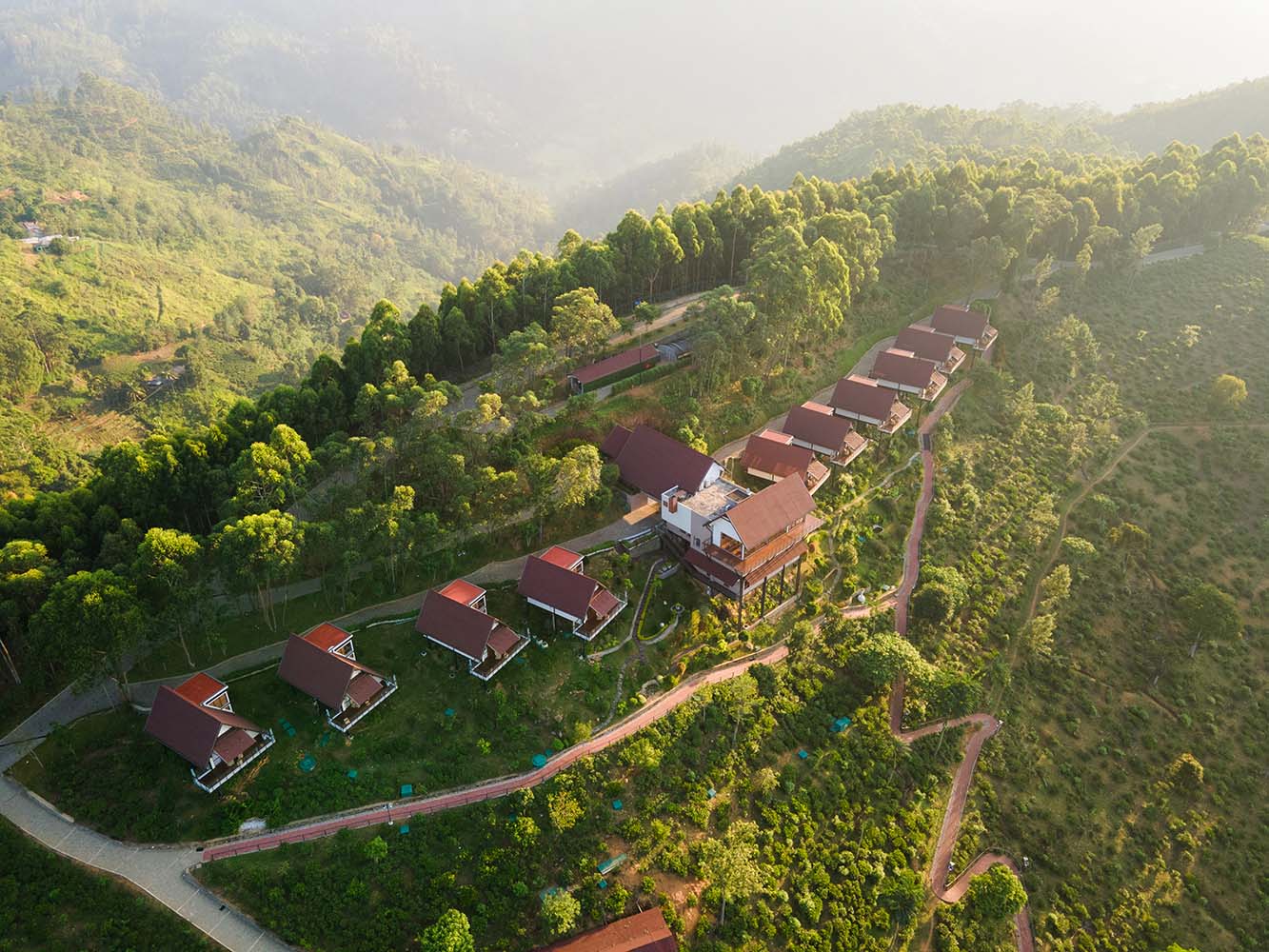
At Anasa Wellness Resort, we believe this journey should be more than a list of sites to tick off.
It should stay with you.
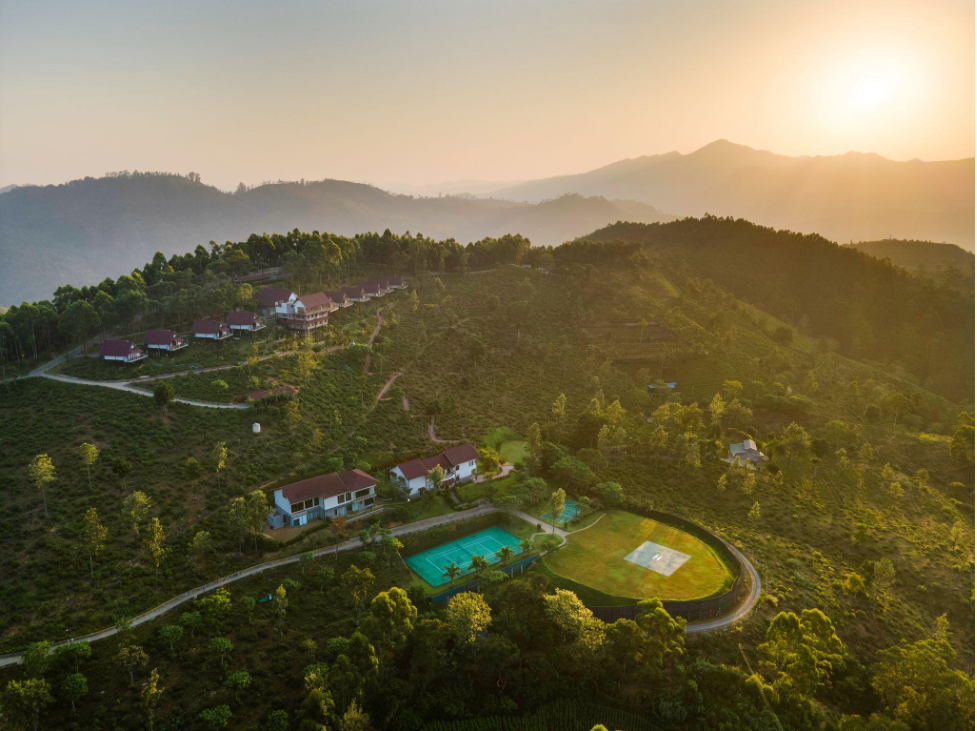
Our resort sits in Bandarawela; in the cool, quiet heart of the hill country. Ravana Ella Cave is under an hour away. Sita Amman Kovil is a scenic 90-minute drive through tea estate country. Divurumpola is 20 minutes down the valley road. All within easy reach and ease of travel.
We arrange guided excursions to every major hill country Ramayana site. Our guides speak Sinhala, Tamil, and English, and they know these stories not from books, but from being from here.
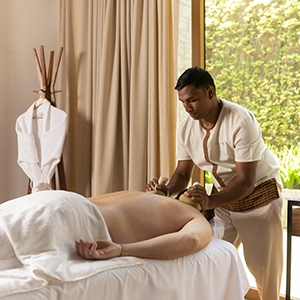
Ravana was not just a king and a warrior. He was a scholar of Ayurveda. He was credited with ancient texts on healing that are still referenced today. Coming to his homeland, walking his trail, and then receiving Ayurvedic treatments rooted in that same tradition? There’s a resonance to that. A completeness.
That’s what we offer at Anasa. Not just a place to sleep between sites. A place to absorb what you’ve experienced. To slow down enough to feel it. The Ramayana was always, at its heart, a story about the journey home.
Ape rata, ape kathawa. Our land, our story.
Let us show it to you.
– Is the Ramayana Trail suitable for first-time visitors?
Yes. The main sites are accessible by road and well-visited. The cave hike is the most physical challenge – moderate difficulty, good shoes required. Everything else suits most fitness levels. A local guide makes it significantly richer.
– How many days do you need?
Three days covers the hill country circuit comfortably. For the full island trail, allow 7-10 days. From Anasa, you can complete all the major highland sites in two full days of excursions, with a third for depth or rest.
– Are guided tours available near Ella?
Yes, and we arrange them directly for Anasa guests. SriLankan Holidays also runs the official “Ramayana by SriLankan” programme for island-wide packages.
– What makes Ravana’s Cave significant?
It is believed to be part of a network of secret passages Ravana used across the hill country – and the place where Sita may have first been hidden after her abduction. It’s also simply one of the most spectacular natural sites in Ella, with extraordinary views and jungle trails surrounding it.
– Can visitors of all backgrounds enjoy the trail?
Absolutely. Hindu pilgrims, Buddhist Sri Lankans, international travellers – all come here and find something meaningful. The sites are open to everyone. Modest dress and respectful behaviour at temples is all that’s asked.

Sri Lanka is a beautiful little island with hidden pockets of adventure everywhere you go. The Hill Country of Sri Lanka especially is resplendent with glistening waterfalls...
Read More
Tea is one of the most popular beverages ever. Tea is a healthy beverage offering a number of great benefits to drinkers. Assisting in the prevention of certain types of cancer...
Read More